
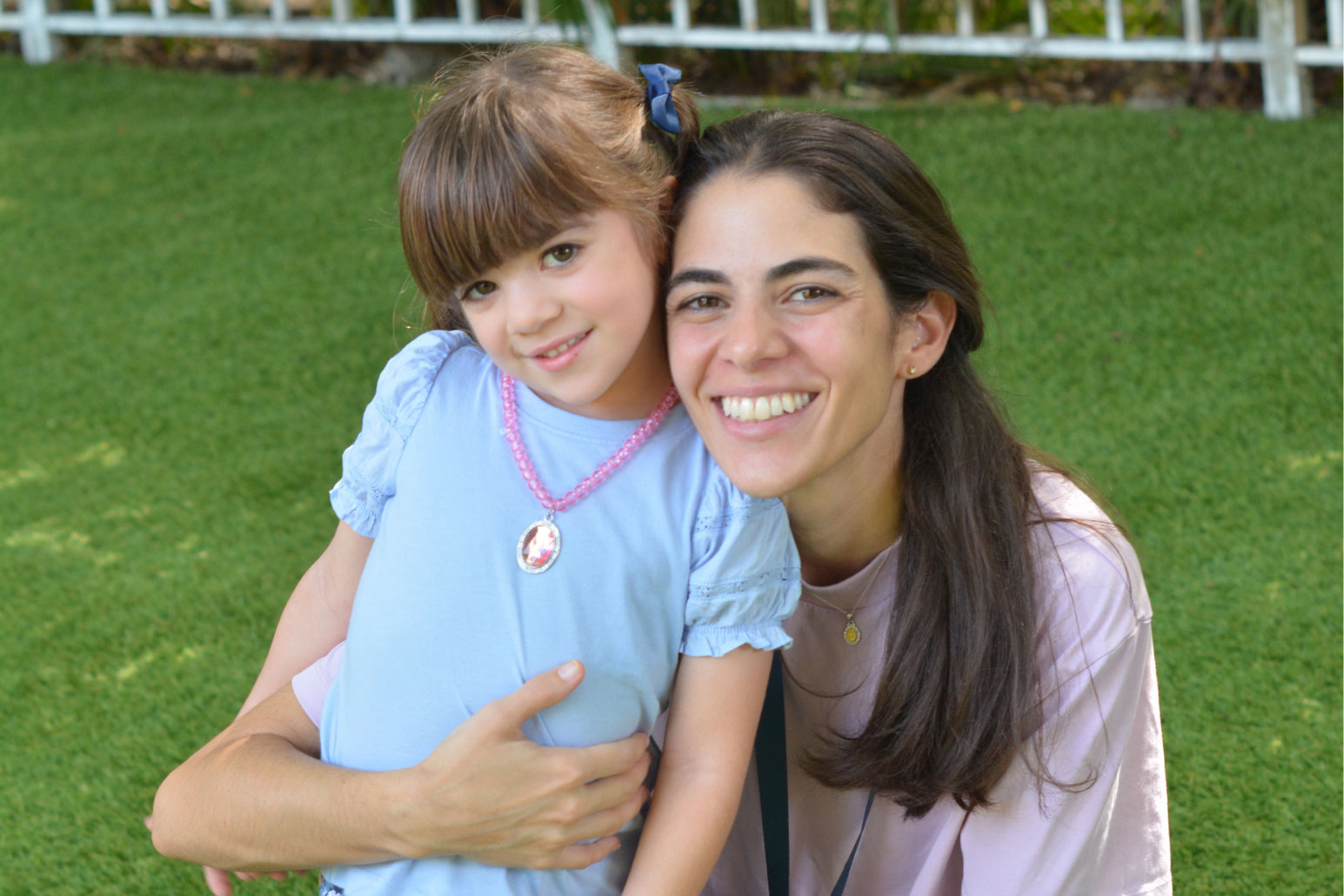
The first five years of a child’s life are filled with incredible growth and development. During these early years, children are learning new skills every day, from communicating and moving their bodies to solving problems, interacting with others, and becoming more independent.
At Granada Day School in Coral Gables, Florida, developmental screening is one way we help understand how each child is progressing and how we can best support their individual needs. By partnering with families and observing children both at home and at school, we can develop a more complete picture of each child’s growth during these important early years.
What Is Developmental Screening?
Developmental screening is a way of taking a closer look at a child’s progress in important areas of early childhood development.
Screening is not a diagnosis or a formal evaluation. Instead, it provides a snapshot of a child’s development and can help identify areas where a child may benefit from additional support, practice, or further evaluation.
At Granada Day School, we use the Ages & Stages Questionnaires®, Third Edition (ASQ-3), which looks at five important developmental areas:
- Communication
- Gross Motor
- Fine Motor
- Problem Solving
- Personal-Social Development
Together, these areas help parents and teachers better understand a child’s development and recognize both strengths and areas that may need additional attention.
What Is the Ages & Stages Questionnaire?
The Ages & Stages Questionnaires®, Third Edition (ASQ-3) is a developmental screening tool designed for young children from approximately 1 month through 5½ years of age. It is designed to be family-friendly and recognizes parents as an important source of information about their child’s development.
At Granada Day School, we provide developmental screenings twice each school year so we can follow children’s progress over time rather than looking at development only once.
This allows our teachers and families to celebrate growth, identify areas that may need additional practice, and work together to support each child’s continued development.
Why Do Parents and Teachers Both Complete the ASQ-3?
Parents see their children in one environment, while teachers see them in another. Both perspectives are valuable.
Teachers provide families with an age-appropriate ASQ questionnaire to complete, and the teacher also completes a questionnaire based on observations of the child at school. Teachers who know a child well can provide valuable information, while parents bring important knowledge about how their child communicates and behaves at home.
It is completely normal for a child’s responses to look different at home and at school. A child may demonstrate a skill easily at home but be hesitant to demonstrate it at school, or the opposite may happen. The classroom also gives children opportunities to use different materials, participate in activities, interact with peers, and practice skills that may not be available in the same way at home.
For this reason, we do not look at either questionnaire in isolation.
During parent-teacher conferences, teachers and families can review the information together, discuss what they are seeing in both environments, and gain a more complete picture of the child’s development.
What Happens If There Is a Developmental Concern?
If a child falls within an area that indicates they may need additional monitoring or support, it does not automatically mean that something is wrong. It simply tells us that we should take a closer look and determine how we can best support the child.
At Granada Day School, our goal is to work as a team with each family. The teacher, Director, and Academic Coordinator can work together with parents to identify strategies and provide additional opportunities for practice.
When appropriate, we can also help connect families with resources or professionals who can provide further support. This collaborative approach may include additional classroom activities or referrals when a more involved assessment may be appropriate.
Developmental Screening Supports the Whole Child
Developmental screening is not about comparing one child to another or expecting every child to develop in exactly the same way.
It is about knowing each child, recognizing their strengths, noticing where they may need support, and partnering with families to help them continue to grow.
At Granada Day School, we are grateful to partner with families during these important first years. Together, we can celebrate each child’s progress and provide the support and encouragement they need to thrive.
Our mission, “We Grow Hearts and Minds for Jesus,” reflects our commitment to nurturing the whole child throughout these formative years.