
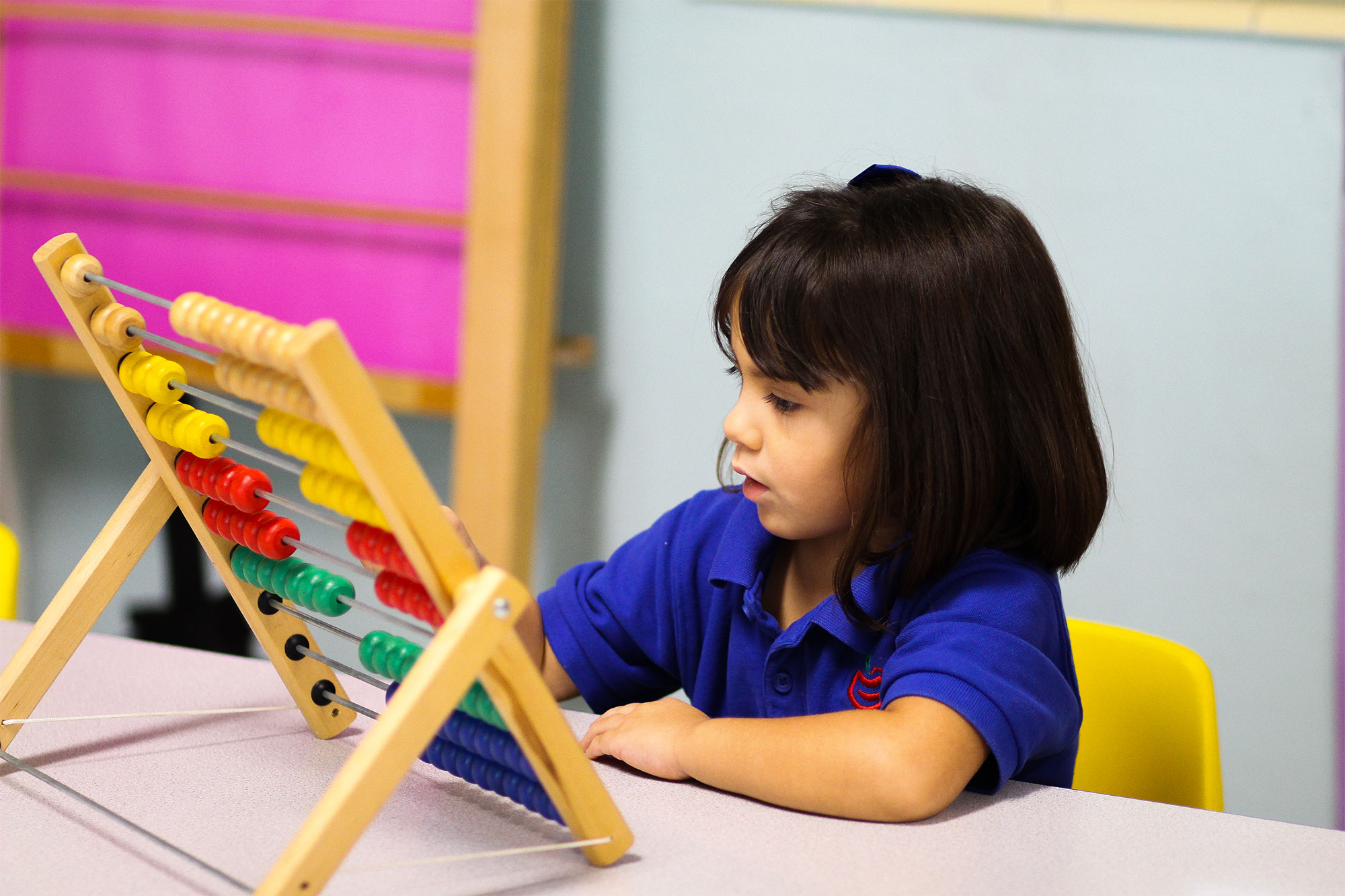
In today’s world, children rarely experience true boredom.
Between structured activities, sports, enrichment programs, homework, and constant access to screens, many move quickly from one planned task to the next. As parents, it can feel responsible to keep children busy and engaged.
But what if boredom is not something to eliminate?
What if it is something to protect?
Boredom Is a Developmental Opportunity
When a child says, “I’m bored,” their brain is not shutting down. It is searching. It is scanning for possibilities. It is preparing to create.
Boredom is often the starting point for imagination.
During unstructured time, children begin to:
- Invent games
- Create stories
- Build with what is available
- Work through small frustrations
- Make decisions independently
These are not small skills. They are foundational.
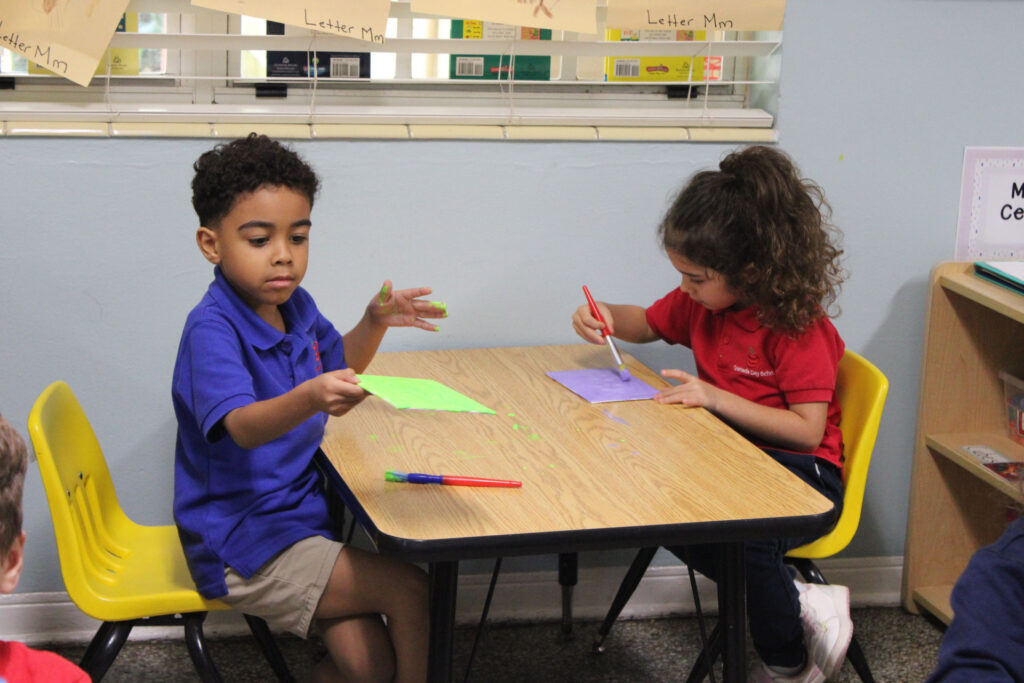
What Happens When Every Moment Is Filled
When boredom is immediately solved with screens, workbooks, or adult-directed activities, children lose an important opportunity.
They do not need to stretch.
They do not need to imagine.
They do not need to generate ideas on their own.
Over time, constant stimulation can affect:
- Attention span
- Emotional regulation
- Patience
- Problem-solving ability
- Independent thinking
Children who never experience boredom may struggle to move through discomfort later in life.
Why Unstructured Time Builds Stronger Thinkers
Unstructured time strengthens executive function. Executive function includes skills like focus, flexibility, planning, and self-control. These skills are directly connected to academic success and emotional maturity.
When a child builds a fort, creates an imaginary world, or figures out what to do next without being told, their brain is strengthening important pathways.
They are learning to think.
They are learning to persist.
They are learning to create.
At Granada Day School, while our program is academically focused and every activity has purpose, we intentionally balance structure with opportunities for exploration and creative thinking. Learning is guided, but children are also given space to grow.
That balance matters both in the classroom and at home.
What Parents Can Say Instead of Fixing It
When your child says, “I’m bored,” try pausing before solving it.
Instead of:
“Here, watch this.”
“Let me find something for you.”
“Do this worksheet.”
Try:
“I can’t wait to see what you come up with.”
“You’ll think of something.”
“That’s your brain getting ready to create.”
This simple shift communicates confidence in your child’s ability to problem-solve.
A Skill That Lasts a Lifetime
In a world that constantly entertains, the ability to self-entertain is a strength.
Children who learn to move through boredom often become:
- More creative
- More resilient
- More independent
- Better problem-solvers
Sometimes the most powerful thing we can give our children is not more structure.
It is space.